

Catalyze 2026: Turning Adaptive Challenges into Measurable Impact
Baylor Center for School Leadership (BCSL) hosted Catalyze on June 1-2, gathering over 100 educators at the Hurd Welcome Center. This two-day event brought school teams together around shared adaptive challenges, leveraging collective leadership to drive lasting, measurable change.
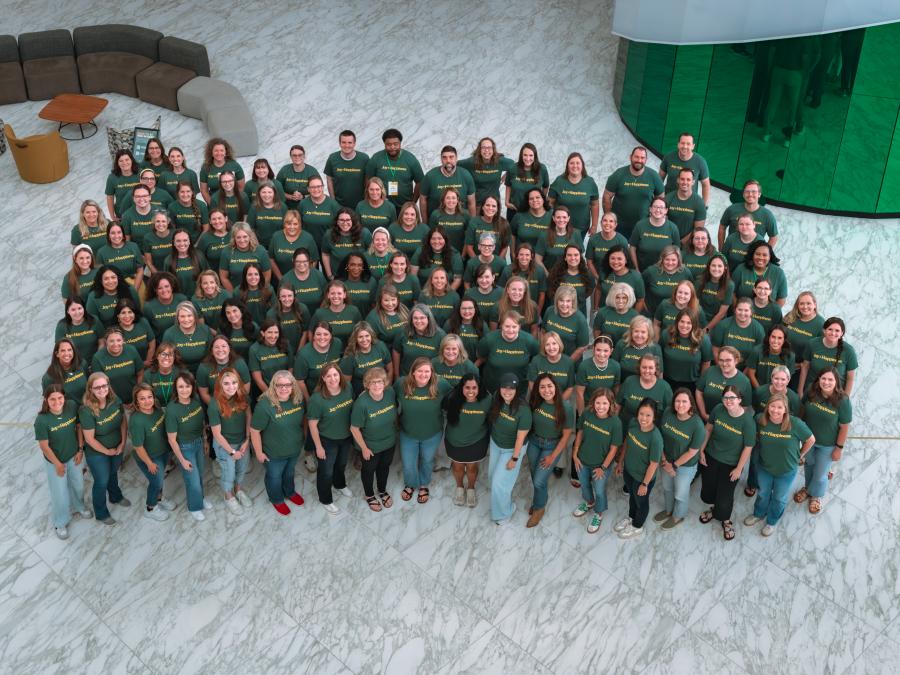
Catalyze is built around school-based teams working collaboratively in identifying a shared adaptive challenge. Often problems are approached with technical solutions using programs or compliance when something deeper is needed. Dr. Jon Eckert, executive director for the BCSL, urges leaders to focus on more meaningful work, noting that “adaptive challenges require a shift in mindset because both the problem and solution are unclear.” Catalyze frames change as an ongoing cycle of inquiry, reflection, and improvement grounded in shared learning.
This is exactly what Jack and Dr. Linda Howard Tinsley had in mind when endowing BCSL Catalyze. This generosity supports a process that Dr. Linda Howard Tinsley describes as “exactly the type of professional learning I wanted as an educational leader.” During the event, they connected with participants via video call, encouraging educators and seeing firsthand how their investment is strengthening schools and student outcomes.

To celebrate sustained improvement and collective leadership through Catalyze, BCSL recognized five returning teams with commemorative turtle trophies. Castleman Creek Elementary, Hewitt Elementary, Hillcrest PDS, Ontario Christian, and Woodway Elementary were celebrated for making significant progress toward their measurable improvement aims set at last year’s Catalyze event. These accomplishments represent the BCSL’s effort to lift others up through collective leadership that leads to focused, team-based improvement for educators and students.
The impact of this work was evidenced in the results shared by returning teams. One example came from Ontario Christian School where sustained focus on peer observations has contributed to improved teaching and learning on their campus. Since 2021, the school has conducted more than 1,500 peer-to-peer observations that led to a 5% increase in teacher survey scores aligned to feedback. Last year alone, over 230 peer observations aligned to K-5 reading strategies supported a 37.5% increase in student reading MAP scores.
Haley Dean, principal at Hillcrest PDS, shared that being able to focus on the most important work has allowed her to say no to less essential things. Spending time at Catalyze has helped her to prioritize the strategies that matter most for improving outcomes for Emergent Bilingual students to align the team’s efforts around targeted instruction and consistent feedback. The positive outcomes for students brought Hillcrest PDS back to catalyze with a focus on improving engagement in math in the upcoming year. The campus’s assistant principal, Amanda Flenge, shared that removing things, such as unnecessary meetings, has created the space to collaborate on the shared goals of the campus. This aligns to BCSL’s aim to support educators toward the principle of “do less work, better.”
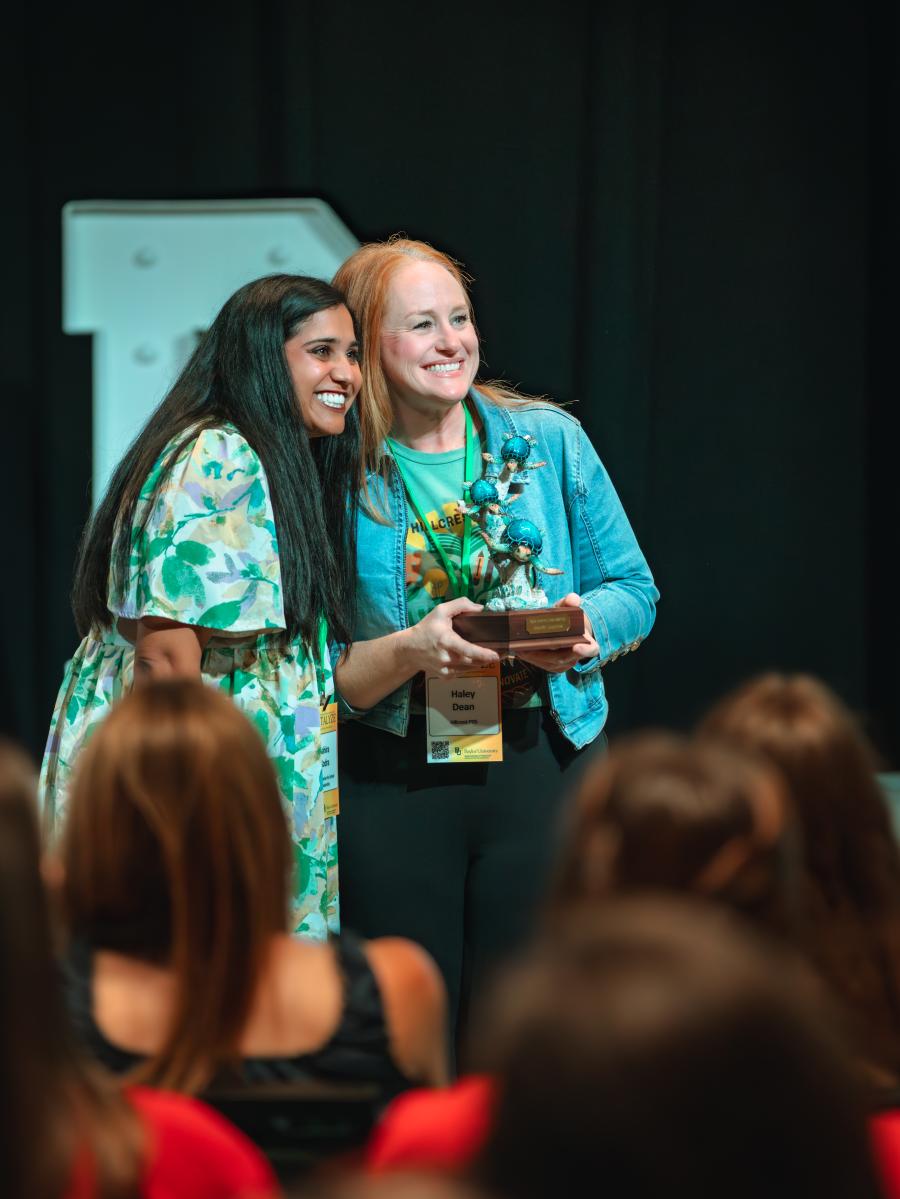
BCSL’s approach to improvement extends across diverse contexts, illustrated through teams like Hillcrest PDS and Hewitt Elementary applying similar improvement principles to targeted instructional challenges. Hillcrest PDS focused on improving outcomes for Emergent Bilingual students that resulted in 16.4% increase in reading proficiency. At Hewitt Elementary, the team concentrated on strengthening K-5 writing by implementing vertically-aligned strategies aligned to a writing rubric. With 100% of teachers using the strategies, there has been a 33% decrease in writing responses scoring zero points. These examples highlight how collective leadership translates into meaningful gains.
As teams turn ideas into action, they are supported by BCSL tools and resources that strengthen high-quality instructional practices, coaching conversations, and peer observations. By the end of the two-day event, teams leave with clear implementation plans about the work ahead driven by shared ownership, rather than seeking buy-in. This creates a culture where teams are empowered to lead meaningful and sustainable change together.
The impact of this work was reflected in the voices of the participants throughout the event. As teams developed plans, refined their learning, and learned from one another, many described Catalyze as an opportunity to engage in meaningful collaboration toward purposeful change.
First-time participant Cara Fisher, a counselor at South Bosque Elementary, shared that “Catalyze gave our team the opportunity to come together and focus on establishing new goals and cultural norms for our campus..while also gaining tangible tools we can put in our back pocket to address our adaptive challenge.” Fisher encouraged other schools to bring teams to future catalyze events. “I would recommend Catalyze to any school or district looking to find-tune areas they know could be better,” she said. “When we make our staff and school better, we make our community better as well.”
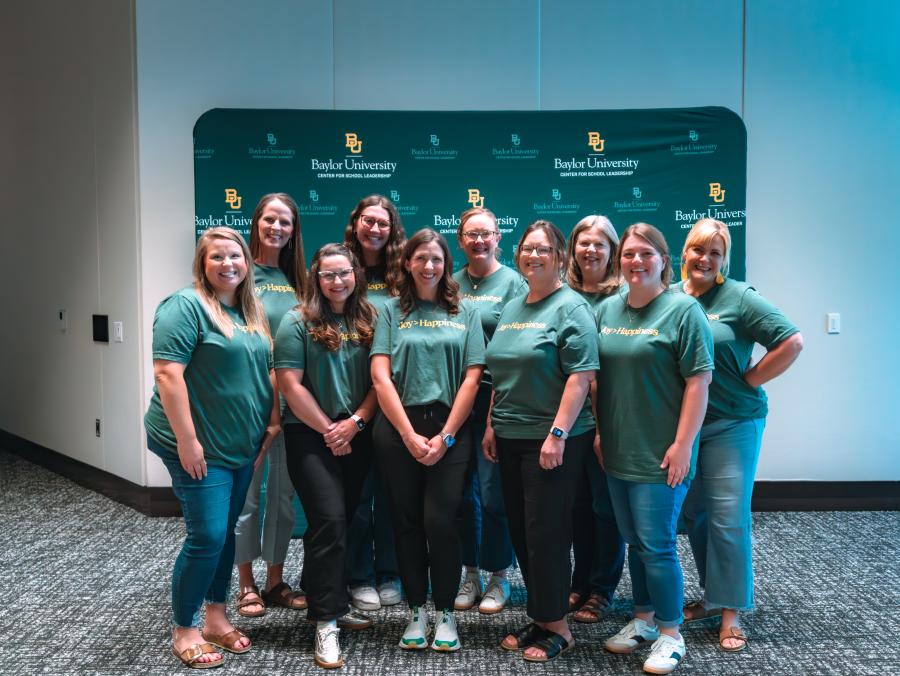
Key Jackson, a returning participant from Castleman Creek Elementary, shared that her team’s experience at Catalyze led to meaningful improvement in campus culture and inspired them to bring a new team this year. “This year we gained practical tools that will help us focus on our problem of practice and move our work forward in a meaningful way.” Jackson shared, “the collaboration, learning, and shared problem-solving make it a valuable experience for any school team.”
Catalyze reminds educators that meaningful change does not come from adding more initiatives, but from aligning people, practices, and purpose around what matters most. Through collective leadership, schools can create lasting impact that benefits both educators and the students they serve. Supporting educators in this work reflect BCSL’s commitment to support team-based improvement that leads to meaningful outcomes for educators and students.
Learn More About BCSL
Discover how Baylor Center for School Leadership equips educators through professional learning, research, networks, and graduate programs to support flourishing schools.
See You at Culture of Joy 2026
Join thousands of educators at Foster Pavilion on August 3, 2026 as we launch the most joyful year ever and continue the work of creating flourishing schools and communities.
Join Us at Catalyze 2027
Bring your school team to Catalyze and work alongside a network of educators to address an adaptive challenge, strengthen collective leadership, and develop a plan for meaningful improvement.