More than Coursework: Inside the Baylor MA in School Leadership Immersion
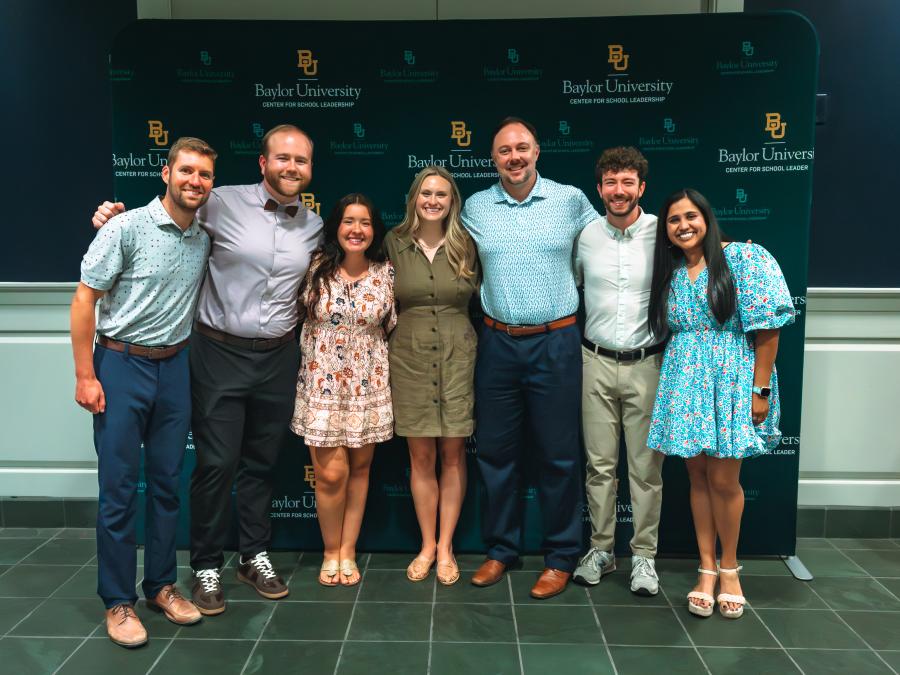
Each June, educators from across the world gather for the Baylor MA in School Leadership Immersion. This two-week experience is designed to bring leaders together to learn, collaborate, and grow as they pursue graduate-level coursework in educational leadership. This year, 62 educators came together to build their capacity for collective leadership through engaging coursework and opportunities to cultivate professional relationships.
Cohort 6 arrived on campus on June 15 marking the beginning of an 18-month journey in building leadership capacity through coursework, shared experiences, and intentional relationship-building. The immersion opened with a welcome dinner that gave students their first opportunity to forge relationships to shape their experience throughout the program. Over the next two weeks, shared meals, escape rooms, and evenings in the residence halls deepened connections both inside and outside the classroom.
For Lindsay Rasmussen, Early Childhood Interventionist at Marble Falls Elementary School, the relationships cultivated during the immersion are one of the program’s greatest assets. “If I can build deep relationships in two weeks with strangers,” she reflected, “there is all the possibility in the world of creating a positive school culture.” She shared how having people to lean on and receive feedback from was essential to both personal and professional growth.
The immersion is intentionally designed to bridge leadership theory and research with everyday practice. Throughout the experience, participants are challenged to consider how new learning can be applied within their own school communities. One idea that immediately resonated with Jon Lasse, Head of School at Promise Academy, was a lesson from Dr. Jon Eckert that “the depth of the struggle often determines the peak of the joy.” Thinking about the students his school serves, Lasse reflected that “cultivating takes time. We don’t always get to see the fruit, but it’s necessary for there to be fruit.” His reflection illustrates how participants leave the immersion with renewed purpose and practice ways to culvert flourishing in their own schools.
During the second week, Cohort 6 was joined by 33 educators from Cohort 5, who returned to campus for their second summer immersion. Bringing the cohorts together intentionally expands opportunities for participants to learn from educators at different points in their leadership journeys. Throughout the week, conversations extended beyond the classroom into shared meals, evenings of fellowship, and even ax throwing. These shared experiences allowed participants to exchange ideas and imagine new possibilities for their schools, extending the learning beyond the coursework.
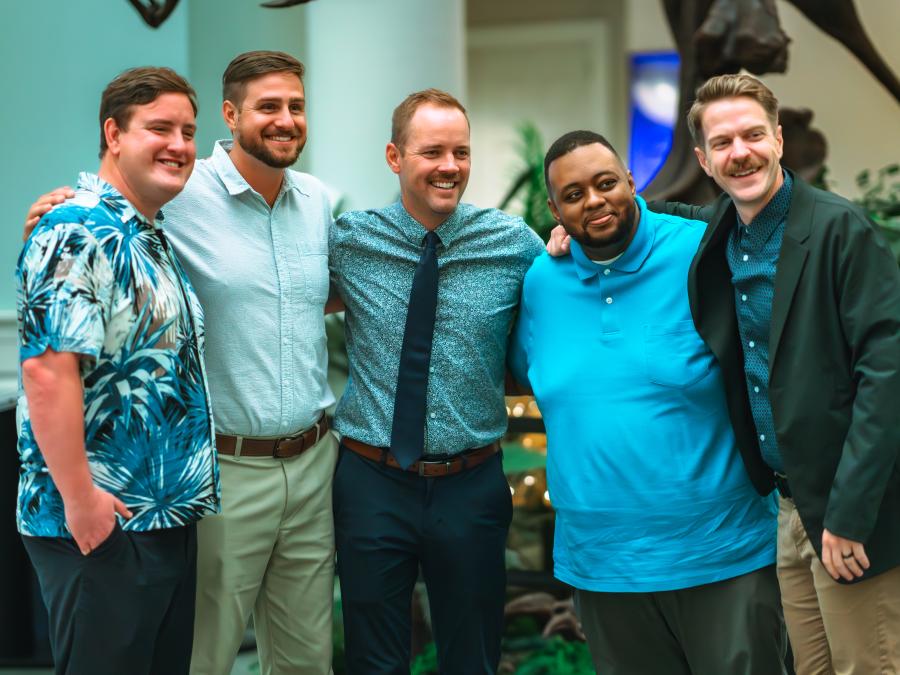
Riley DeSmit, who recently served as Dean of Students at Valor Christian High School in Colorado and is beginning a new role as Annual Fundraising & Enrollment Coordinator, reflected on how the immersion moved leadership beyond theory. “The relationships I built during the two-week immersion influenced my learning by not just theorizing the great work we do as educators, but experiencing it through the members of the cohort.” He added that participants arrive excited about the program but leave “changed and bonded.. filled with joy for the profession that makes all others possible.”
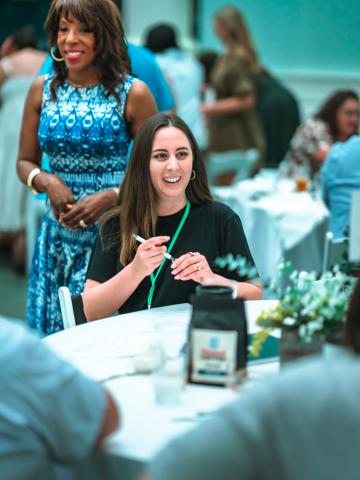
Abby Laucella, Elementary Principal at The King’s Academy in California, echoed the sentiment. She described the immersion as “a gift.. professionally, but also personally,” crediting the joy of learning alongside fellow Christian educators. Reflecting on her two summer immersions, she left Baylor with “lifelong friendships, a community I trust, and a full heart for the work ahead.”
Their reflections highlight what makes the Baylor MA in School Leadership program distinctive. While many graduate programs prioritize flexibility, this program intentionally creates space for educators to learn in community through shared experiences, meaningful reflection, and relationships that simply cannot be replicated online.
Stepping away from the daily demands of school leadership gives participants the opportunity to think deeply, renew their purpose, and envision what is possible for their schools. Through the integration of rigorous coursework and immersive experiences, educators discover that leadership is not defined by a position or title, but by a commitment to developing others, strengthening collective leadership, and creating the conditions for flourishing school communities.
Nathan Rhea, a teacher at Langley Christian, reflected on this shift in perspective by sharing one of the program's enduring lessons: "Leadership doesn't have to be lonely. Building your team and multiplying yourself is the best way to go far in executing the mission and vision of your school."