

The Outdoor Learning Classroom in an Age of AI: Reimagining How, Where, and Why Our Students Learn
“Sometimes, the best learning happens outside the classroom,” I often tell educators, students, and aspiring leaders, ranging from the PreK-5th elementary school in which I served as a principal in Charlottesville, Virginia, to doctoral students here at Baylor University, or to partner districts across central Texas who are reimagining their own learning spaces.
The notion of stewardship is a principle woven through our strategic planning here at the university, and it is a Biblical principle that resonates throughout Scripture. In Psalm 24, we are reminded that “the earth is the Lord’s and the fullness thereof,” meaning time, talents, our relationships, and our places. In the New Testament, Jesus told the parable of the talents in Matthew 25, showing the importance of faithful use of what God has given to us during our time on earth. I have enjoyed incorporating the concept of stewardship into our graduate programs in educational leadership, from our principal preparation-focused Master’s of School Leadership program to our doctoral programs that prepares executive leaders and researchers.
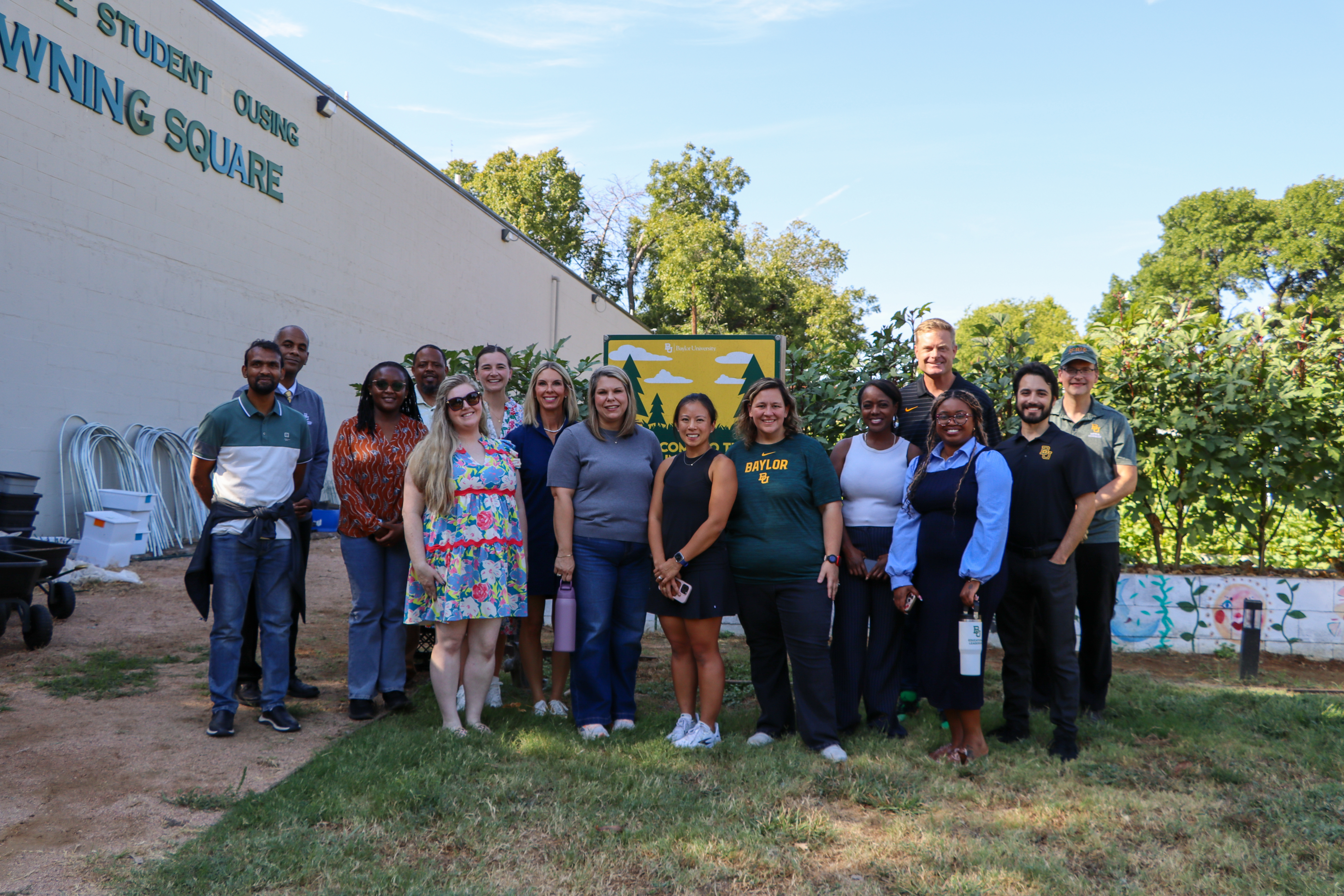
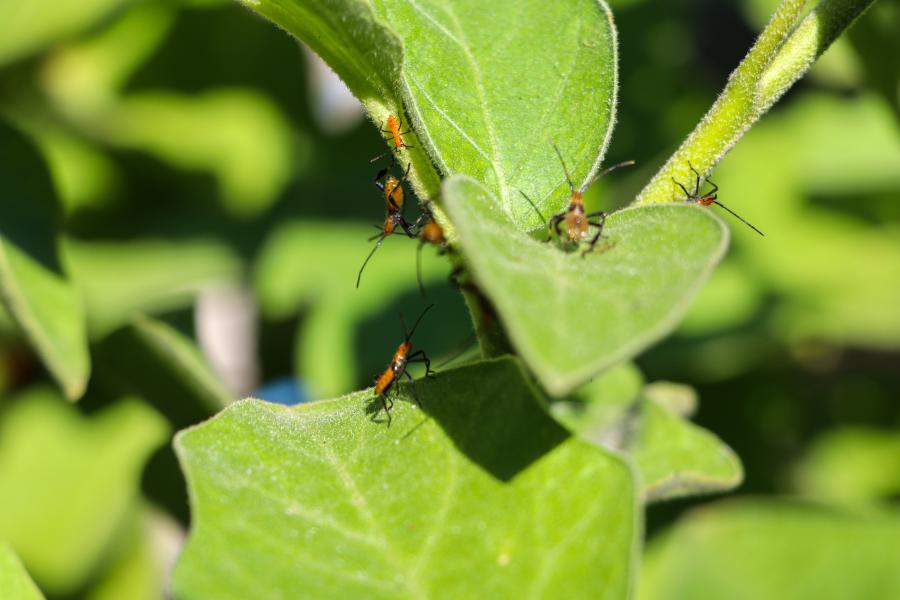
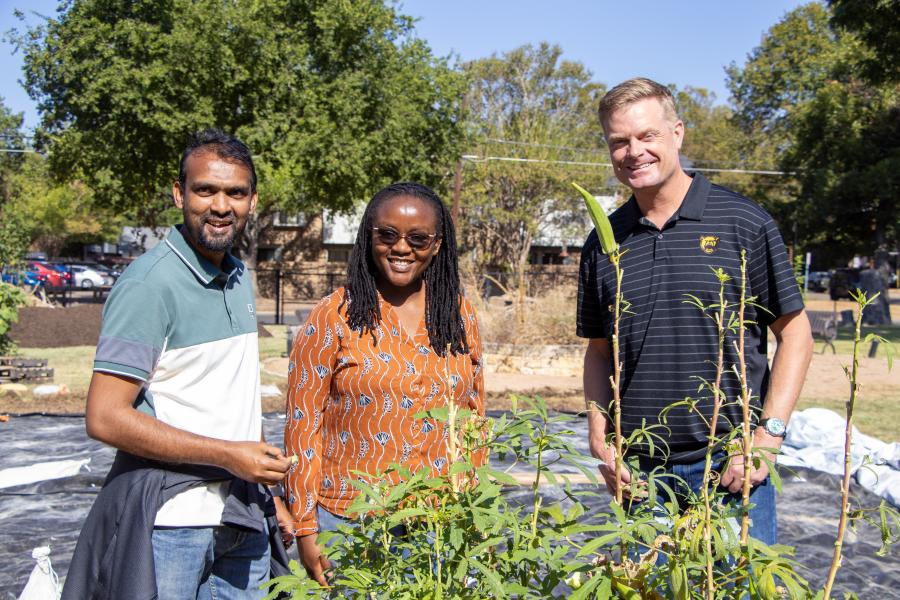
Each fall semester, I take our Organizational Leadership course, which consists of Ph.D. and Ed.D. students spanning multiple leadership programs to the Baylor Community Gardens to gain insights on stewardship. Environmental Humanities Program Director Dr. Josh King graciously spends time with our cohort on a Saturday morning to share insights about the flora and fauna that comprise this living, learning classroom. From learning about eggplant and okra to seeing leaf-cutter ants chew through leaves, and discussing how sweet potatoes could be used in nutritional and medicinal ways, our graduate students imagined how this might impact their own work in schools across Texas, California, Georgia, Bangladesh, and Kenya.
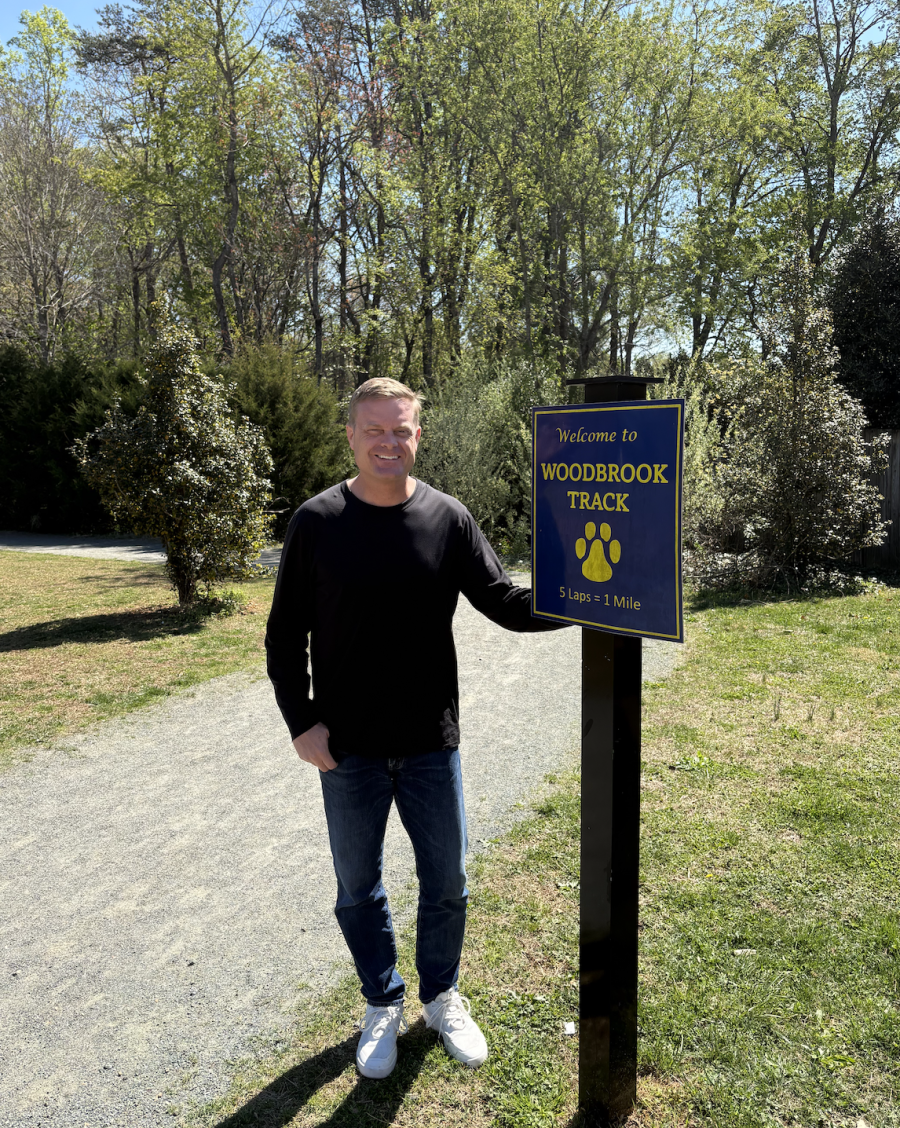
As a former principal, I know how focusing on outdoor education and sustainability efforts can transform teaching and learning. Our school in Charlottesville was fortunate to receive a Dave Matthews Band BAMA grant that helped provide an outdoor track around our grounds, providing a place for fitness, exploration, and community engagement. It has been an integral part of the learning experience for students for nearly twenty years.
And it is encouraging to see how the notion of sustainability education resonates with our leadership students today. Following last year’s garden visit, Ph.D. student Meredith Frey and I co-authored a journal article titled “What is a green school?” that overviews research and practical steps schools can take through the three “Green School Pillars” of health and wellness, outdoor education, and stewardship of resources. The Baylor Common Home Fellows program in partnership with the Institute for Faith and Learning helps connect faculty and staff across campus to explore cross-disciplinary ideas on sustainability-focused research and teaching. Reflecting on her work in sustainability education, Frey notes, “I have gleaned much wisdom and encouragement seeing faculty collaborate around sustainability at Baylor. Through this experience, my GA green education research, and courses with an environmental focus has taught me the importance of change through collaboration and brought learning to life as I connected with local schools and their gardens.”
This year, we connected the emerging innovation of Artificial Intelligence (AI) and outdoor education. Having recently worked with various schools and districts to reimagine outdoor learning spaces, I taught a three-step process that involved 1.) Reviewing relevant research about sustainability education; 2.) Spending time in an outdoor learning space; and 3.) Envisioning and creating a new outdoor learning space to engage students.
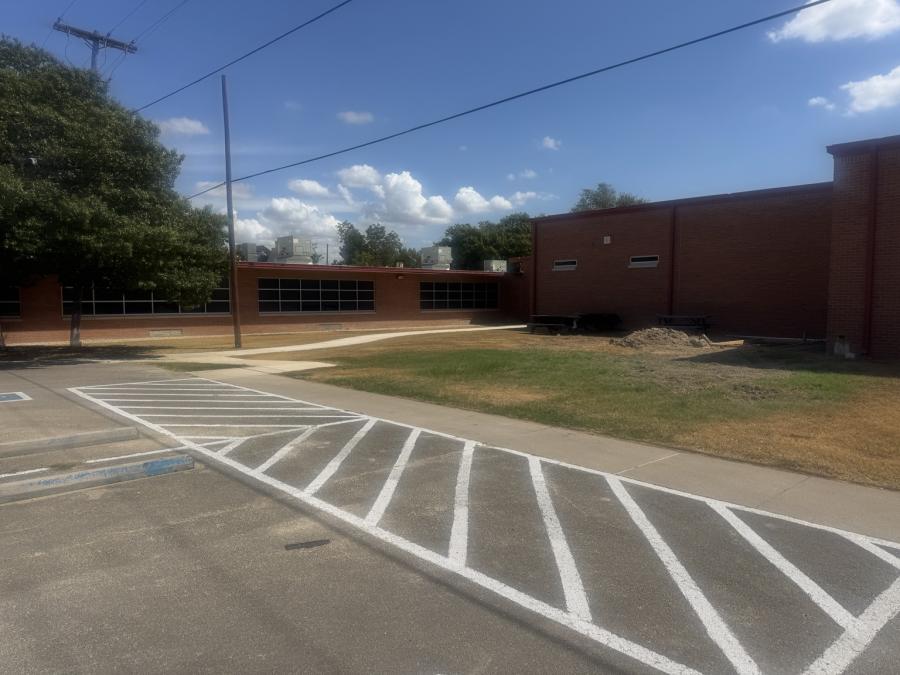
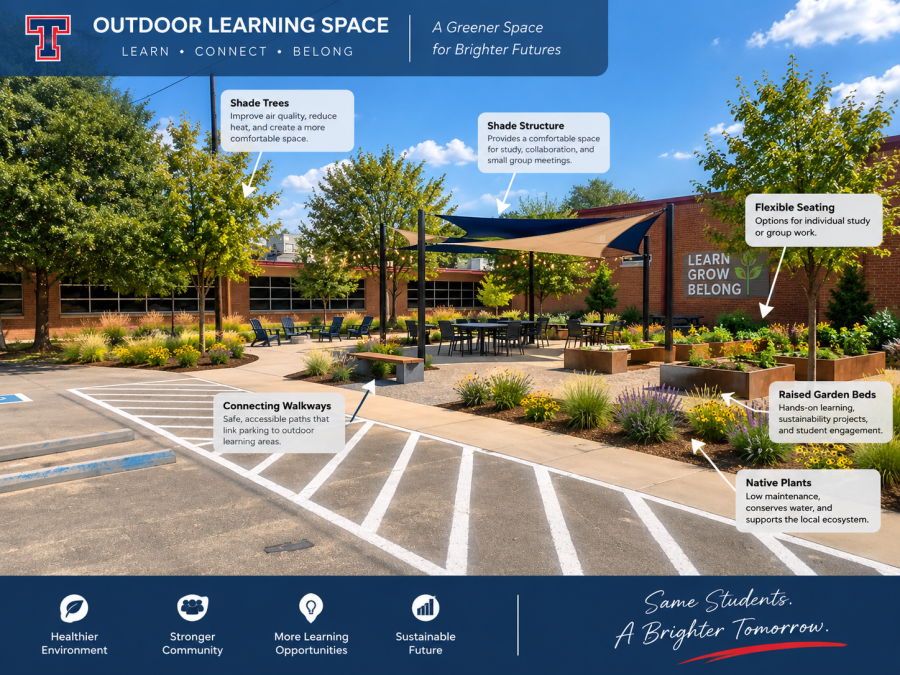
I challenged doctoral students to take a picture of an unused space, then “dream big” by creating a list of aspects of outdoor learning they could design and integrate, and to use AI to create an early-design image. Our guiding question was “In an era of AI-generated images and content, what is uniquely valuable about learning through direct experience with the physical world?” Temple ISD Chief Technology Officer Vance Willis sought to answer just that, reimagining an unused space into a learning garden with shade structures and raised garden beds. Willis reflected on his Saturday spent in the Baylor Community Gardens, noting, “The setting seemed to create a more relaxed environment where people shared personal stories and experiences related to gardening. It was interesting to hear the different connections people had and how gardening meant something different to each person.” While AI can help us imagine what a place might become, we need to first spend time outdoors, in God’s creation, experiencing, imagining, and caring for it.
The experience also reminded me that outdoor learning is deeply shaped by place, culture, and personal experience. Two of our doctoral students brought international perspectives that underscored this point. Ph.D. student Nancy Gikandi, shared insights from her home country of Kenya, sharing “I particularly appreciated the initiative because I connected it to my learnings in Christian Faith and Education, about restoration, and thinking about the intersectionality of religion, environmental issues, and education, and ways students can use their education to address persistent challenges in our communities.” Dr. King’s overview of food insecurity in Waco resonated with her, and she added, “I see this as an opportunity for children in schools to learn how to take care of their environment, to learn how food is grown, and this can create a multiplier effect as these practices can be carried over to the community by the students.” Lokman Hossain shared experiences from his time growing up in Bangladesh, saying, “Baylor's campus garden, where students may study, work, and care for the environment, impressed me. The visit brought up childhood memories of growing up near farms. I felt linked to my past with fresh garden foods like eggplants, Lady's Finger (or okra), sugarcane, etc. Leaders and researchers benefit from sustained learning."
As a principal, my superintendent encouraged me to build on my love of the outdoors and even recommended a book by Richard Louv called Last Child in the Woods, in which Louv makes the case that time spent in nature is essential for childhood learning and development, as well as for the physical and emotional health of students. Here in the Baylor Center for School Leadership, we are finding ways to connect our work with local schools, such as MASL grad Angela Brown, who helped transform her outdoor learning space at a local elementary school. We need to re-imagine our work as educational leaders, and remember that sometimes, the best learning in school happens outside the classroom walls.
Dr. Bill Sterrett serves as Department Chair and Professor of Educational Leadership at Baylor University, where he holds the Fred & Edith Hale Endowed Chair for School Leadership. He is an affiliated faculty member in the Baylor Center for School Leadership supporting research and engagement efforts. Read more about Green Schools work and AI in Schools research at the BCSL website.